Human-plant relationships in Pictland
2019 – present
Tracing plant residues and lifeways of the Picts
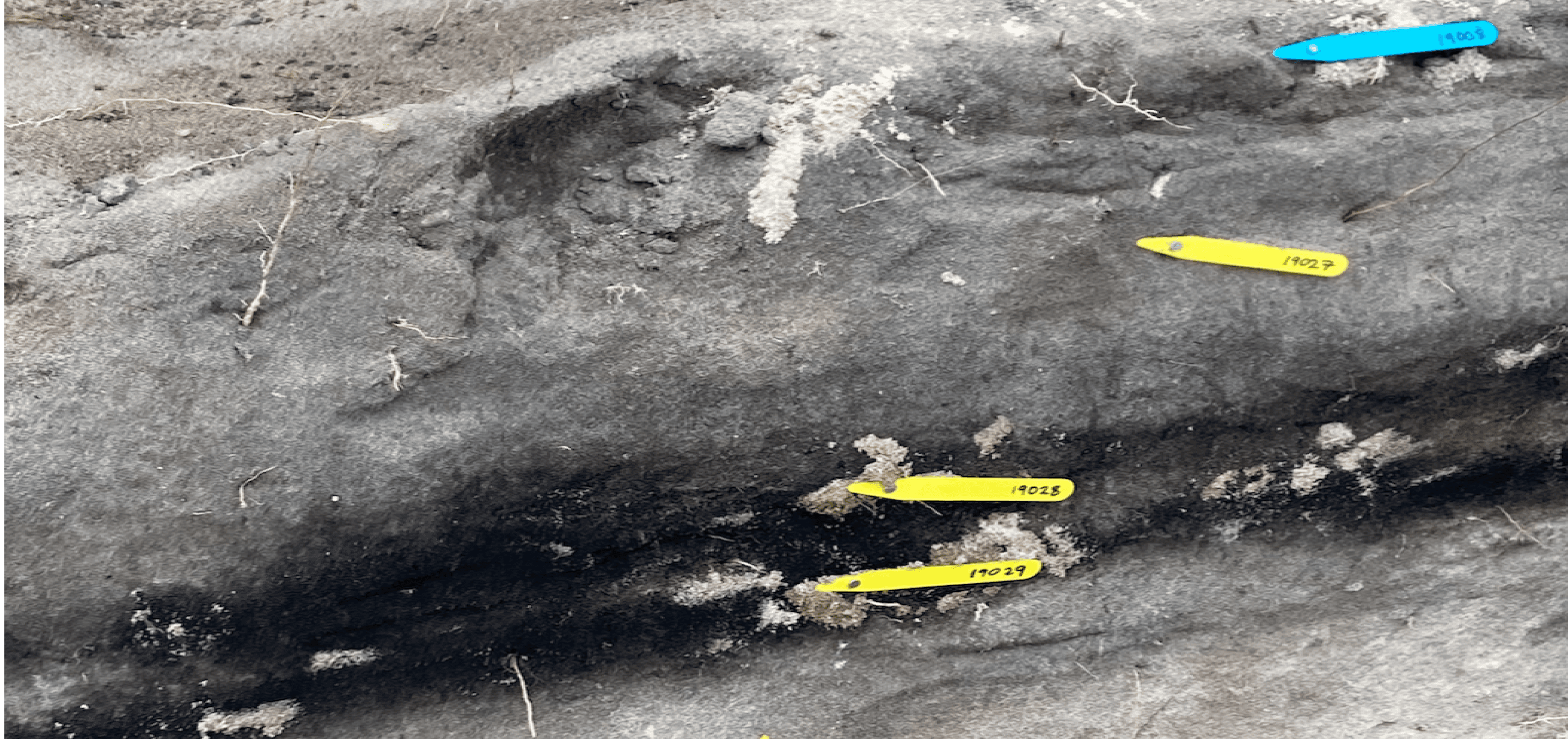
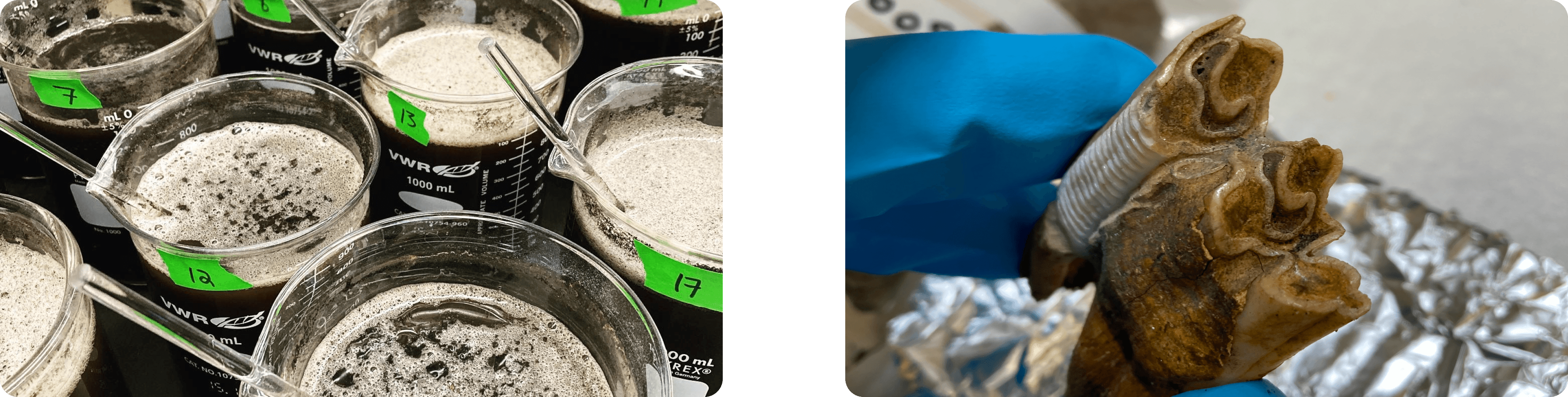
For my doctoral research (McMaster University, 2023) I collaborated with the Northern Picts project to trace microbotanical and micro-algae residues from ten Pictish archaeological sites. Residues were recovered from multiple contexts including intact floor layers (i.e., sediment/soil samples), pot sherds, and dental surfaces (e.g., animal and human). This research was the first multi-proxy microbotanical study in Scotland and uncovered new knowledge about Pictish agriculture, animal care, land use, and foodways.
Publications
Prado, S. (In Press). Microbotanical Evidence from Pictland (Upper Strathbogie Valley): Phytoliths and Starch Grains. Book chapter in Noble, G (Ed.) A Powerful Place of Pictland: Prehistoric, Late Roman & Early Medieval Lifeways Rhynie, Northeast Scotland. Society of Antiquaries of Scotland: Edinburgh.
Prado, S., and Noble, G. 2024. Flavours of Pictish Life: Using Starch Grains and Phytoliths to Trace Late Roman and Early Medieval Culinary Traditions. Journal of Archaeological Science: Reports 58:104695. DOI: https://doi.org/10.1016/j.jasrep.2024.104695
Prado, S., and Noble, G. 2022. A hut on the hill: a multi-proxy microbotanical and micro-algae approach to a Pictish roundhouse floor at Cairnmore, Aberdeenshire. Journal of Archaeological Science: Reports 46: 103652. DOI: https://doi.org/10.1016/j.jasrep.2022.103652
Collaborators
Northern Picts Project
Prof. Gordon Noble – Project Director
University of Aberdeen
McMaster Paleoethnobotanical Research Facility (MPERF)